What if the charm that draws you to Kenwood and Lowry Hill is also what makes ownership here more complex? If you are dreaming about a historic home near Lake of the Isles or preparing to sell one, it helps to know that these properties offer more than beautiful architecture. They come with a distinct ownership experience shaped by preservation rules, long-term maintenance, and the lasting appeal of a rare Minneapolis setting. Let’s dive in.
Why historic homes stand out here
Kenwood and Lowry Hill are not just collections of older houses. They sit within Minneapolis’s Chain of Lakes and Grand Rounds landscape, where parks, parkways, and mature tree canopy shape daily life as much as the homes themselves.
In Kenwood, you are closely tied to Lake of the Isles, Kenwood Park, and Kenwood Parkway. The area reflects early streetcar-era growth, and that history still shows up in the rhythm of the blocks, the scale of the homes, and the connection to the surrounding park system.
Lowry Hill has a related but distinct story. Its historic pattern includes broad lawns, boulevard trees, and houses that were laid out with space around them, giving the neighborhood a classic, established feel that still defines it today.
What architectural variety means for owners
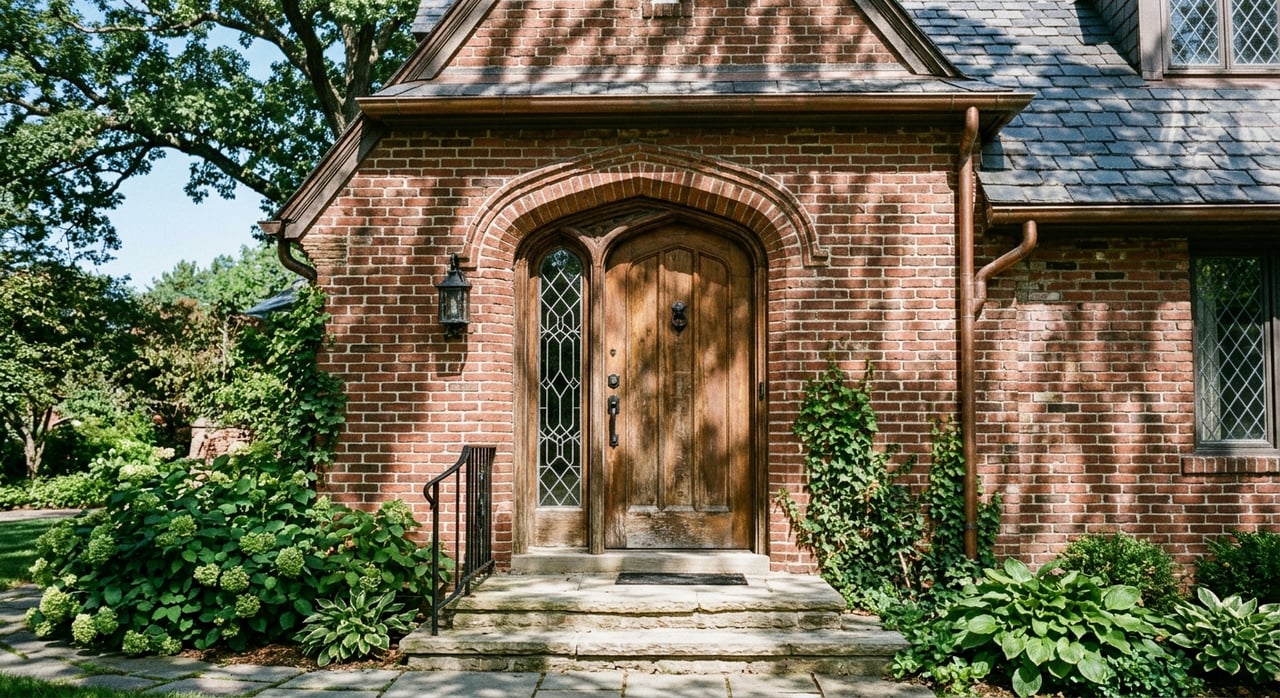
One reason buyers are so drawn to this pocket of Minneapolis is the range of architectural styles. Kenwood includes Victorian, Tudor, Queen Anne, Regency, and Prairie School homes, while Lowry Hill includes significant examples of Richardsonian Romanesque, Georgian Revival, Tudor Revival, and Colonial Revival design.
That variety creates visual character, but it also means no two ownership stories are exactly alike. A Tudor home may have very different repair priorities than a Prairie School property, and a seller needs to understand which features contribute most to the home’s historic identity.
Many houses here also carry layers of change. Some larger homes were divided into rooming houses, duplexes, or apartments in the mid-20th century and later converted back, which means prior alterations, hidden upgrades, and questions about legal use can be part of the picture.
Historic ownership is about stewardship
Owning a historic home in Kenwood or Lowry Hill often feels a little different from owning a newer property. You are not simply maintaining square footage. You are caring for materials, details, and design choices that help define the home’s character.
Minneapolis preservation policy focuses on repair, compatibility, and review. In practical terms, that means the city generally favors retaining historic character, repairing original features when possible, and making new work fit with the old without pretending it has always been there.
That approach can be a real benefit if you value authenticity. It can also mean projects move more slowly and require more planning than you might expect.
What maintenance usually looks like
Day-to-day work on a historic home is not always dramatic, but it is often more detail-oriented. Standard maintenance can include in-kind replacement of a standard shingle roof, tuckpointing, and limited masonry or siding repair.
Even so, details matter. Original materials and visible exterior elements often deserve a closer look before work starts, especially if your home may be locally designated or located in a historic district.
Windows are one of the most common examples. Preservation guidance generally favors repairing historic windows before replacing them, and if replacement is necessary, the new windows are typically expected to match the original design, color, texture, and, where possible, materials.
For you as a buyer, that means inspection and due diligence should go beyond age alone. For you as a seller, it means well-documented care and thoughtful updates can help buyers feel more confident about the home.
Which projects may trigger review
Not every repair leads to a formal review, but many exterior changes can. In Minneapolis, roofing materials, windows, surface materials, porches, steps, landscaping, doors, additions, and demolition are all examples of changes that may trigger preservation review depending on the property and the scope of work.
Major alterations, demolition, and work on locally designated landmarks or properties in historic districts typically require review and approval. As of January 1, 2026, the city’s revised Chapter 599 is in effect, and the city notes that it has more than 195 locally designated landmarks and 20 historic districts.
The Historic Preservation Commission process typically takes about 6 to 8 weeks. That timeline matters if you are planning a renovation soon after closing or preparing a home for market and considering exterior work before listing.
Why designation matters so much
A key question is not simply whether a home is historic in age or appearance. The more important question is whether the property is a designated landmark, located in a historic district, or simply historic in character without local designation.
That distinction affects how much flexibility you may have. Exterior work, additions, demolition, and certain material changes can be subject to review for designated properties, while interior changes are generally reviewed only if the interior itself has been designated.
This is one of the most important due diligence steps for buyers in Kenwood and Lowry Hill. It can shape project budgets, design decisions, and your timeline for making changes after purchase.
How renovation planning changes
If you are buying with plans to renovate, it helps to think in longer horizons. Even projects that do not feel large can require drawings, material samples, or an early conversation with the city before work begins.
That does not mean change is impossible. Minneapolis’s framework is designed to guide change, not freeze a property in time, and historic variances may allow departures from literal zoning requirements in some situations where strict compliance would erase important historic features.
The best mindset is to approach renovation as a design process, not a quick swap of old for new. Owners who do well here often build teams that understand preservation-minded work and can navigate older homes with care.
Insurance deserves extra attention
Insurance is one of the easiest places to underestimate costs on a historic home. In Minnesota, dwelling coverage is based on replacement cost rather than market value, and homeowners are encouraged to understand the details of wind and hail deductibles along with the difference between actual cash value and replacement cost.
That matters even more when a home includes materials or features that need exacting matches. Preservation guidance notes that replacement features should match the old in composition, design, color, texture, and, where possible, materials, though compatible substitutes may be acceptable in some cases when in-kind replacement is prohibitively expensive.
In real terms, a claim on a historic property can involve more than basic patch-and-paint repairs. If you are considering a purchase, it is wise to understand coverage options early so you have a clearer picture of long-term ownership costs.
What buyers should look for
Buying a historic home in Kenwood or Lowry Hill can be deeply rewarding if you know what to ask upfront. The goal is not to avoid older homes. It is to understand how the home has evolved and what that means for your plans.
A smart review often includes:
- Whether the property is a designated landmark or in a historic district
- What exterior changes may require city review
- Whether windows, roofing, masonry, porches, or siding show signs of deferred maintenance
- Whether prior conversions or alterations could affect current use or future plans
- How insurance coverage and deductibles would apply to the home’s replacement cost
If lifestyle is your priority, this diligence protects it. You want the experience of living near lakes, parkways, and historic architecture to feel inspiring, not full of surprises.
What sellers should keep in mind
If you are selling a historic home here, your property likely offers something increasingly hard to find. There is a limited supply of architecturally significant homes in a lake-and-park setting, and that scarcity is part of the appeal.
At the same time, buyers often have practical questions. They want to understand what has been repaired, what has been restored, what has been updated, and whether future work may require review.
That is why presentation and documentation matter. A well-prepared historic listing benefits from clear records, thoughtful visual marketing, and a story that connects the home’s architecture to the lifestyle it offers today.
The tradeoff that defines ownership
Owning a historic home in Kenwood or Lowry Hill often comes down to one clear tradeoff. You gain character, scarcity, and an extraordinary setting near lakes, parkways, and some of Minneapolis’s most memorable architecture.
In exchange, you give up some flexibility and take on more planning. Maintenance can be slower, exterior changes may require review, and insurance choices deserve more attention than they might in a newer home.
For many buyers and sellers, that tradeoff is exactly the point. If you value craftsmanship, setting, and the kind of home that tells a story the moment you walk up the front path, these neighborhoods offer a lifestyle that is hard to replicate anywhere else in the city.
If you are considering buying or selling a historic home in Kenwood or Lowry Hill, Elizabeth McKevitt Perez can help you navigate the details and find the lifestyle you want.
FAQs
What makes historic homes in Kenwood and Lowry Hill unique?
- Historic homes in Kenwood and Lowry Hill stand out for their architectural variety, connection to Lake of the Isles and nearby parkways, and their roots in Minneapolis’s streetcar-era development.
What kinds of changes to a historic home in Minneapolis may require review?
- Depending on the property and project scope, changes involving windows, roofing materials, doors, porches, steps, surface materials, landscaping, additions, or demolition may require preservation review.
How can you tell if a Kenwood or Lowry Hill home has preservation restrictions?
- You should confirm whether the property is a locally designated landmark, located in a historic district, or simply historic in character, because that distinction affects review requirements.
What should buyers check before purchasing a historic home in Kenwood or Lowry Hill?
- Buyers should review designation status, past alterations, visible maintenance needs, likely review triggers for future projects, and insurance details tied to replacement cost.
Why is insurance different for historic homes in Minnesota?
- Insurance can be more complex because dwelling coverage is based on replacement cost, and restoring historic features may require closer material and design matching than a standard repair.
Is owning a historic home in Kenwood or Lowry Hill worth the extra effort?
- For many owners, yes, because the appeal comes from limited supply, strong architectural character, and a setting shaped by lakes, parks, and established neighborhood design.