Wondering how to market a historic home in Kenwood or Lowry Hill without losing the details that make it special? If you own a character-rich home in one of Minneapolis’ most recognized residential areas, you are not just selling square footage. You are selling architecture, setting, and a way of living that feels tied to Lake of the Isles, parkways, and historic streetscapes. The right strategy helps you protect that value, present it beautifully, and attract buyers who understand what makes your home stand out. Let’s dive in.
Why Kenwood and Lowry Hill Stand Out
Kenwood and Lowry Hill sit in Ward 7, which the City of Minneapolis describes as a group of beautiful, historic, and in-demand residential neighborhoods. For sellers, that matters because location is not a side note here. It is a major part of the value story.
In Kenwood, Lake of the Isles and the surrounding parkways shape how buyers experience the neighborhood. Kenwood Parkway connects the Minneapolis Sculpture Garden to the north end of the lake, and that broader setting gives listings a strong lifestyle angle. In both Kenwood and Lowry Hill, the best marketing connects the home to this larger sense of place.
Lead With Architecture and Provenance
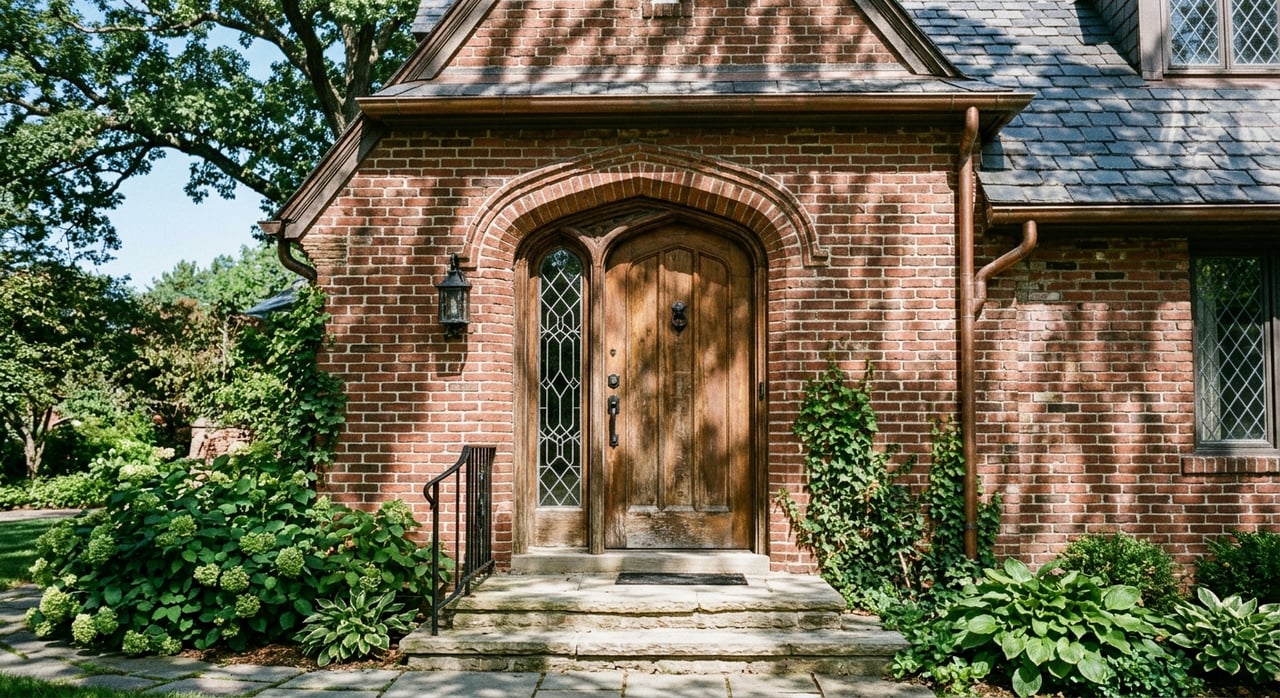
Historic homes in these neighborhoods deserve more than a standard feature list. Buyers are often responding to a mix of original craftsmanship, architectural style, and the home’s place in Minneapolis history. That is why your marketing should frame the property as a complete architectural offering, not just a house with older finishes.
The area includes notable landmark styles such as Prairie School, Richardsonian Romanesque, and Tudor Revival. The city also notes that many Liebenberg & Kaplan houses from the 1920s and 1930s were built in Lowry Hill and Kenwood. If your home has known architectural pedigree, that detail can strengthen your positioning and help buyers understand its significance.
What buyers notice first
When buyers shop for historic homes, they often respond to details that newer homes cannot easily replicate. Your marketing should call attention to the features that create that emotional pull.
- Original millwork
- Fireplaces
- Staircases
- Built-ins
- Windows
- Porches
- Stone, stucco, or other historic exterior materials
- The relationship between the home and its lot, street, or parkway setting
Verify Historic Status Before Updates
Before you paint, replace, or renovate anything, confirm whether your home is locally designated or located in a local historic district. Minneapolis has more than 150 designated local landmark properties and 12 locally designated historic districts. That status can affect what work should be reviewed before listing.
The city makes an important point: local designation is meant to guide change, not prevent it. The city also says designation can help maintain or increase property values. For sellers, that means preservation is not just a regulation issue. It can also be part of your pricing and marketing advantage.
What changes may need review
For designated properties, major alterations are reviewed by the Heritage Preservation Commission, while minor alterations are reviewed administratively. The city gives examples of minor work such as in-kind roof shingle replacement, tuckpointing, and limited masonry or siding repair.
Interior changes are reviewed only if the interior itself is designated. That can be helpful if you are planning selective improvements before bringing the home to market. Still, if you are considering larger exterior changes, build extra time into your listing plan.
Plan early for timing
If preservation review is required, the city says the process typically takes about 6 to 8 weeks. That is a meaningful part of your listing timeline. If you wait too long to verify status or submit plans, your launch could be delayed.
Preserve Character While Preparing to Sell
One of the biggest mistakes sellers make is over-updating a historic home. In Kenwood and Lowry Hill, buyers are often paying for authenticity as much as function. If you erase too much of the original character, you may weaken the very story that makes the home compelling.
Minneapolis preservation standards offer a practical guide. The city calls for retaining distinctive materials, features, finishes, and craftsmanship whenever possible. It also favors repair before replacement and says any replacement should match the original in design, color, texture, and, where possible, material.
Smart pre-listing improvements
In many cases, the best updates are the ones that make the home feel well cared for without making it feel generic. That usually means focusing first on condition, systems, and restrained cosmetic improvements.
Consider priorities like these:
- Repairing original woodwork rather than replacing it
- Addressing masonry issues with matched materials
- Refreshing paint where appropriate
- Improving lighting while respecting the home’s style
- Updating systems or code-related items when needed
- Choosing finish updates that feel compatible with the original design
The city is also clear that preservation is not about freezing a building in time. You can modernize. The goal is to make changes that are compatible and do not damage or overwhelm the home’s defining features.
Price the Whole Story, Not Just Size
Pricing a historic home in Kenwood or Lowry Hill takes nuance. In the broader Minneapolis market, demand is still healthy. Redfin reported that homes receive 3 offers on average, sell in about 28 days, and as of April 2026 had a median sale price of $344,822. It also reported that 40.7% of homes sold above list price.
At the regional level, Minneapolis Area REALTORS reported a February 2026 median sales price of $380,000, 2.1 months of supply, and 97.4% of original list price received on average. That tells you buyers are active, but still selective. Strong demand does not eliminate the need for disciplined pricing.
For a historic property, price should reflect more than bedroom count or finished square footage. In these neighborhoods, value may also come from architectural pedigree, original materials, parkway or lake context, lot setting, and the quality of thoughtful modern updates.
Why pricing needs a custom lens
Luxury inventory in Minneapolis also shows that preserved character can command a premium when paired with updated systems and polished presentation. In other words, buyers may pay more for a home that feels authentic and livable.
That is why consultative valuation matters so much with historic homes. A generic comparison can miss the value of provenance, setting, and design integrity. The right pricing strategy should reflect the home as a bundle of features, not just a floor plan.
Stage for Warmth and Authenticity
Historic homes photograph beautifully when they feel fresh, bright, and true to themselves. According to NAR’s 2025 staging profile, 83% of buyers’ agents said staging makes it easier for a buyer to visualize a future home. That matters even more when a home has unique rooms or period details that need help reading clearly in photos.
The goal is not to turn a historic home into something trendy or overly styled. It is to help buyers see scale, flow, and livability while letting the architecture stay front and center.
Best rooms to prioritize
Buyers’ agents in the staging report said the rooms most often staged were:
- Living room
- Primary bedroom
- Dining room
For a Kenwood or Lowry Hill home, those spaces often carry some of the home’s strongest visual character. A thoughtful staging plan should support the architecture, not compete with it.
What good staging looks like here
The strongest presentation usually blends authenticity with freshness. That may mean lighter, edited furnishings, clear sightlines to fireplaces or built-ins, and decor that complements the era without feeling theatrical.
It also means avoiding faux-historic additions. Minneapolis standards specifically reject changes that create a false sense of age. Buyers respond best when a home feels honest, cared for, and ready for modern living.
Use Photography and Video to Sell the Setting
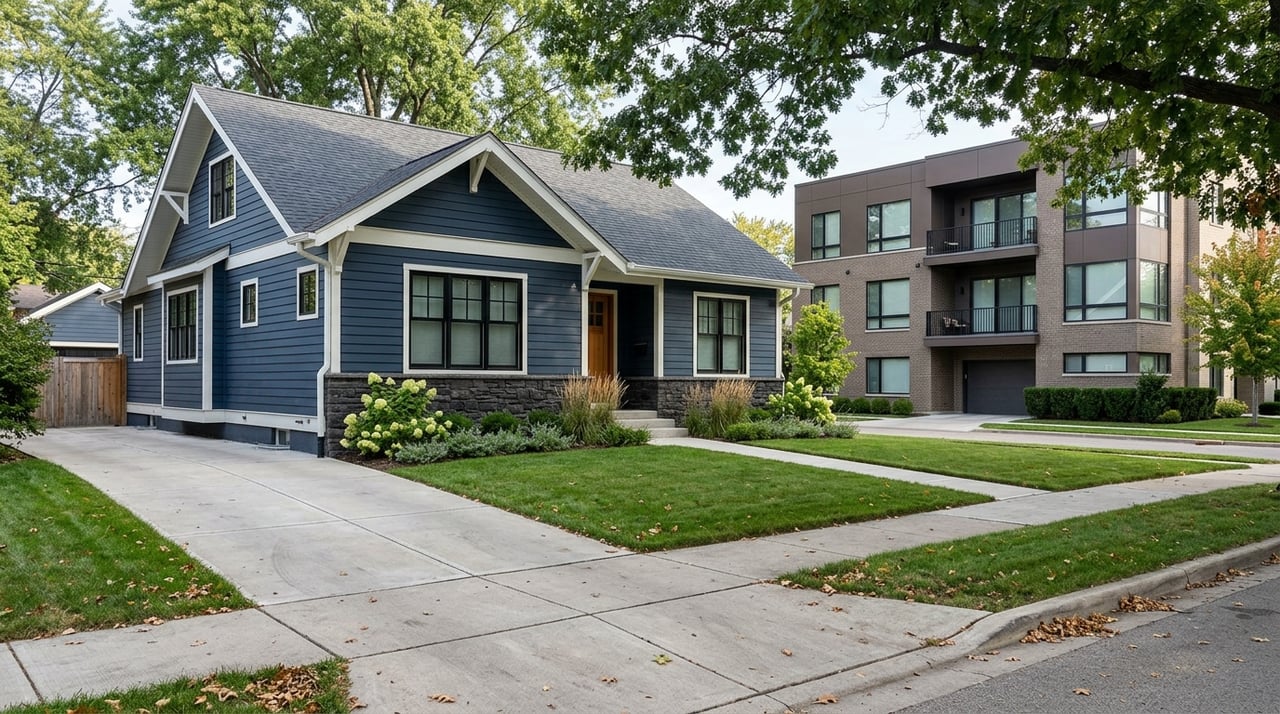
A historic home in these neighborhoods should never be marketed through room shots alone. Buyers need to understand both the architecture and the setting. That includes the house’s relationship to the street, the lot, mature trees, nearby lake access, and the broader parkway network.
In practice, your visual package should include both detail shots and context shots. Original millwork, staircases, windows, porches, and exterior materials matter, but so do views that show the neighborhood experience around the home.
Visual assets that matter most
A strong listing package may include:
- Professional photography
- Video walkthroughs
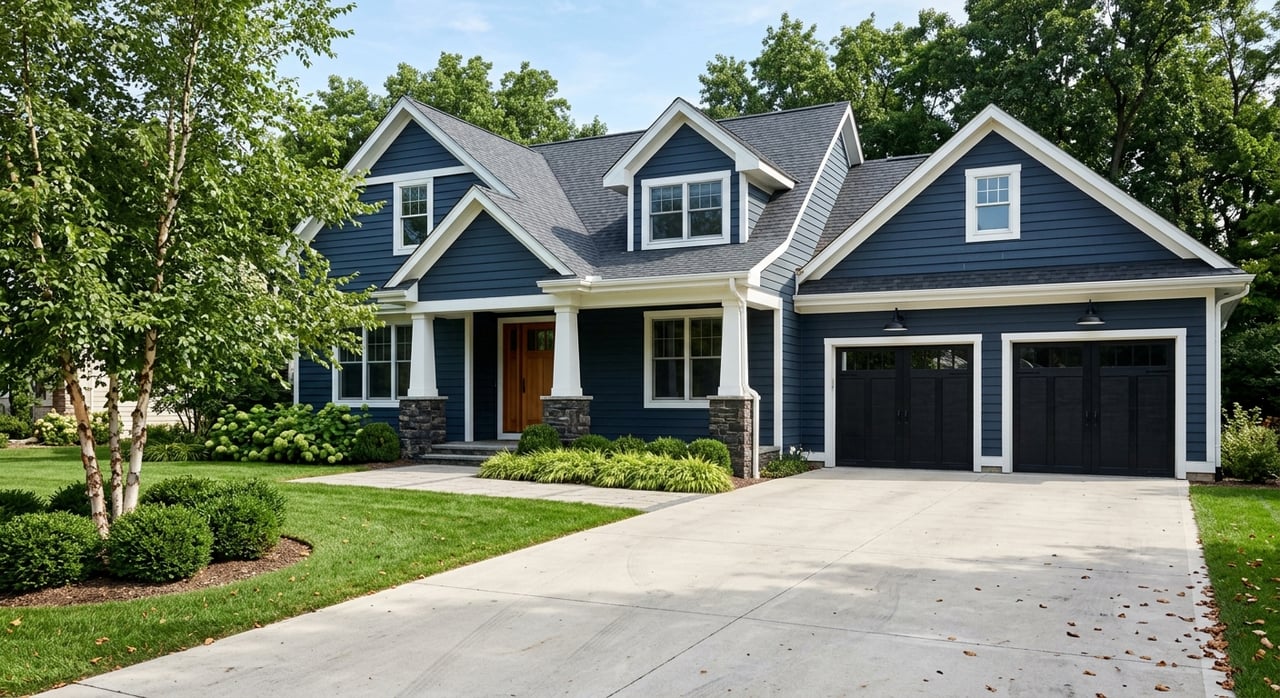
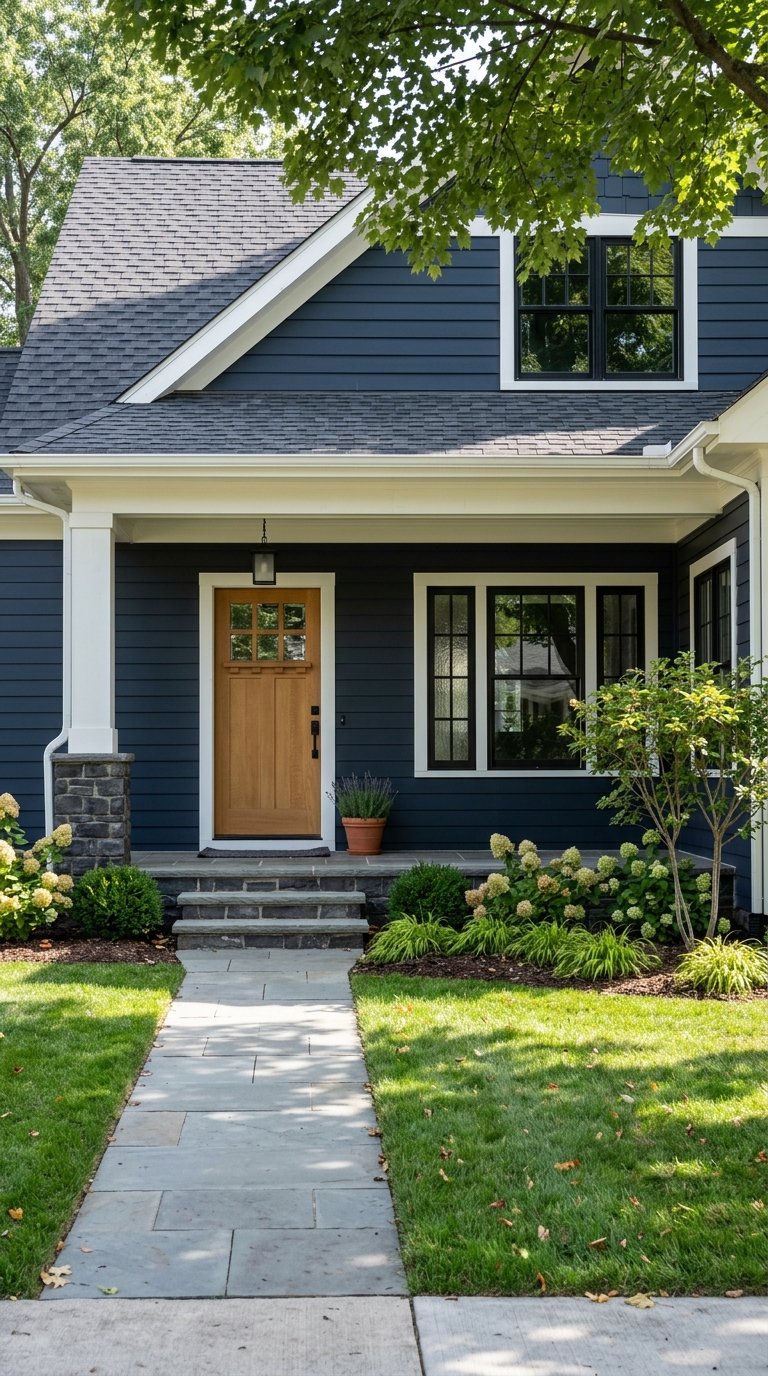
- Exterior images that show scale and streetscape
- Detail photos of craftsmanship and original materials
- Context images tied to Lake of the Isles, Kenwood Park, or nearby parkways when relevant
For a lifestyle-first brand like McKevitt Perez Real Estate, this is where polished marketing can make a real difference. Buyers are not only asking what the home has. They are asking what it feels like to live there.
Do Not Overlook Lead Disclosure Rules
If your home was built before 1978, lead-based paint rules should be part of your pre-listing plan. According to the EPA, many older homes contain some lead-based paint, especially those built before 1940. Federal law requires sellers of most pre-1978 housing to disclose known lead information before sale and give buyers an opportunity for a 10-day inspection.
If renovation or paint work will disturb lead-based paint, lead-safe rules also apply. This is less about marketing language and more about being organized, transparent, and prepared. A smooth sale often starts with the right paperwork and planning.
A Practical Marketing Plan for Historic Sellers
If you want to market your historic home well, keep the process focused and intentional. In Kenwood and Lowry Hill, the strongest listings usually combine preservation awareness, careful pricing, and elevated visual presentation.
A simple roadmap looks like this:
- Verify whether the property is designated or located in a historic district.
- Confirm whether any planned exterior work requires preservation review.
- Prioritize repairs that protect original materials and craftsmanship.
- Make selective updates that improve livability without erasing character.
- Build a pricing strategy around architecture, setting, and condition.
- Stage key rooms to highlight scale, warmth, and historic detail.
- Invest in professional photography and video that show both the home and its neighborhood context.
When you get those pieces right, your listing tells a much stronger story. It attracts buyers who understand the value of a historic home and helps your property compete on more than basic specs.
Selling a historic home in Kenwood or Lowry Hill takes more than a polished sign and a few pretty photos. It takes strategy, respect for the home’s architectural character, and marketing that connects the property to the lifestyle buyers want. If you are preparing to sell and want a tailored plan for presentation, pricing, and launch timing, Elizabeth McKevitt Perez can help you bring that story to market with care.
FAQs
How should you market a historic home in Kenwood or Lowry Hill?
- Focus on the home’s architecture, original materials, and setting near features like Lake of the Isles and the parkway network, while pairing that story with disciplined pricing and polished visuals.
Do historic homes in Minneapolis need approval for exterior changes before listing?
- If the property is designated or located in a local historic district, some exterior work may require preservation review, and the city says the process typically takes about 6 to 8 weeks.
Can you update a historic home in Kenwood or Lowry Hill before selling?
- Yes, but the best updates are usually compatible changes that improve condition and livability without removing the features that make the home historically significant.
What features add value when selling a historic home in Minneapolis?
- Buyers often value a mix of architecture, provenance, original craftsmanship, lot and parkway context, and the quality of modern updates, not just square footage alone.
Why does staging matter for a historic home listing?
- Staging helps buyers picture how they would live in the home, and it can highlight important spaces like the living room, primary bedroom, and dining room without distracting from historic character.
What should sellers know about lead paint in older Minneapolis homes?
- For most homes built before 1978, sellers must disclose known lead information before sale and give buyers an opportunity for a 10-day inspection.