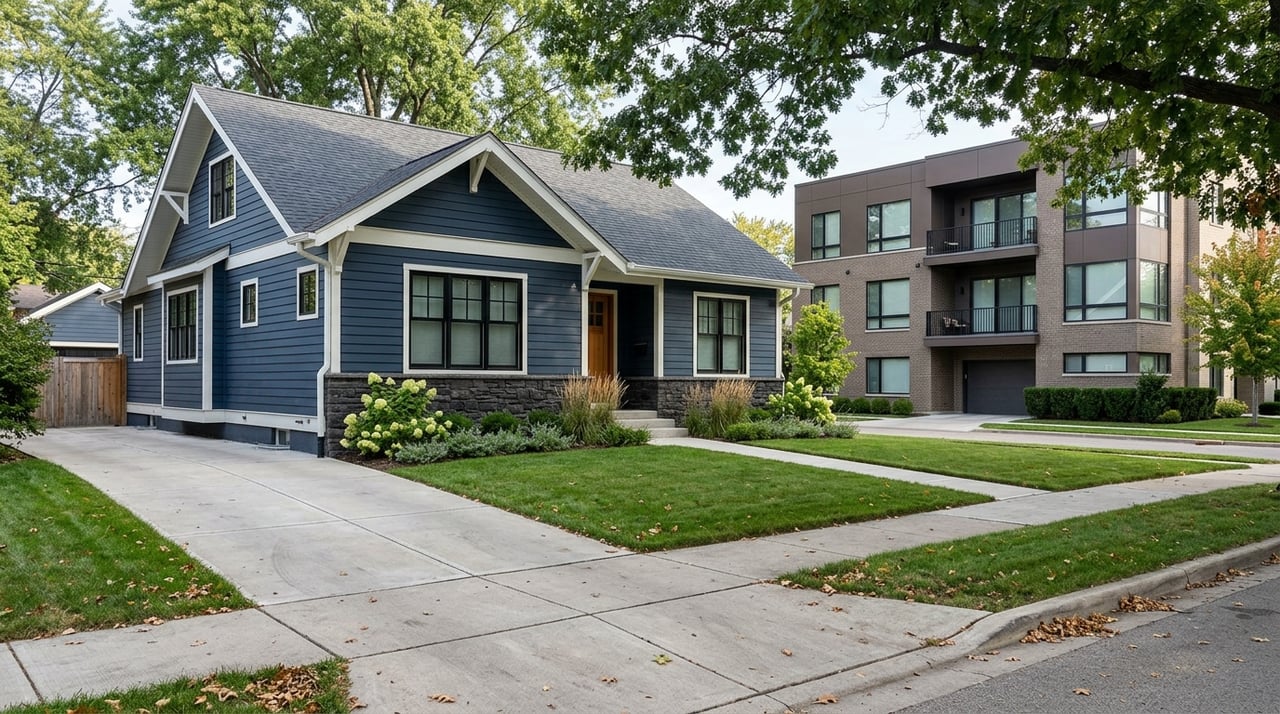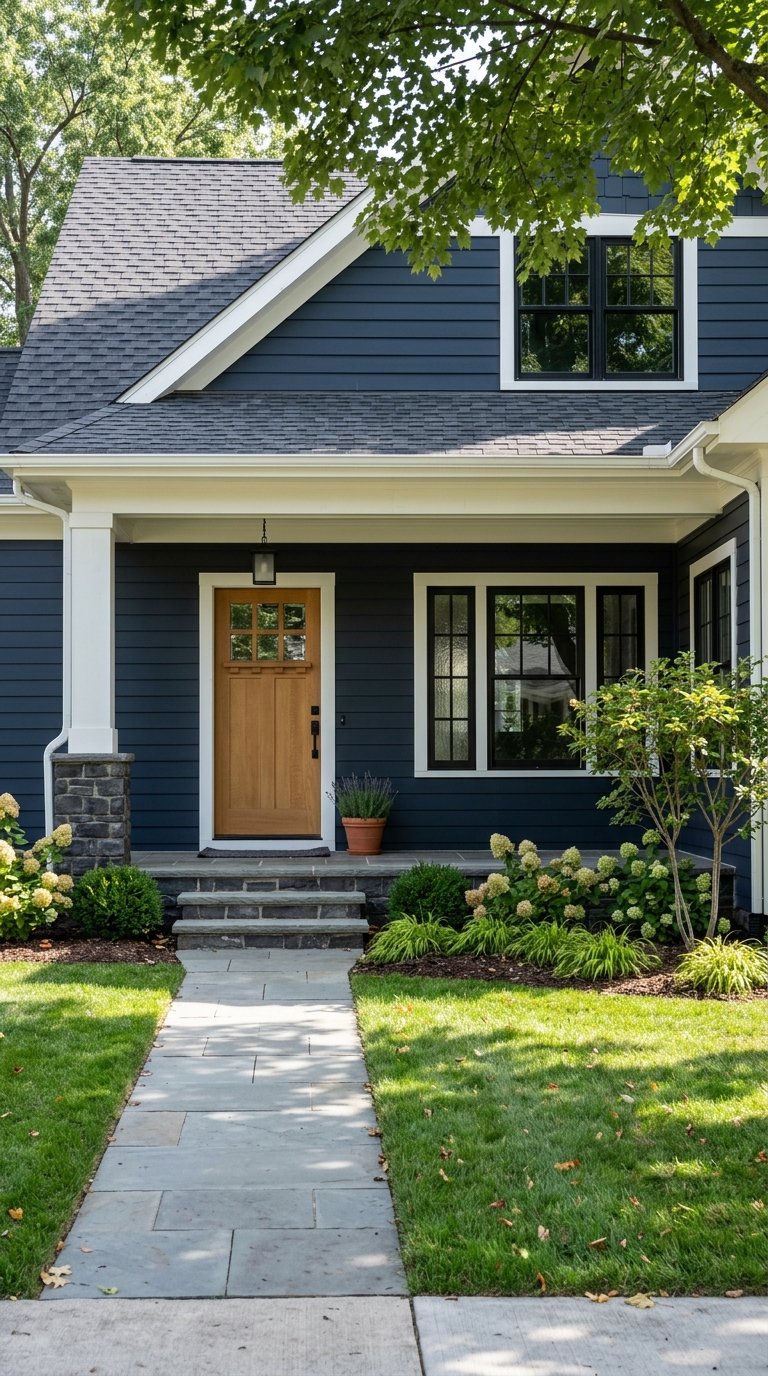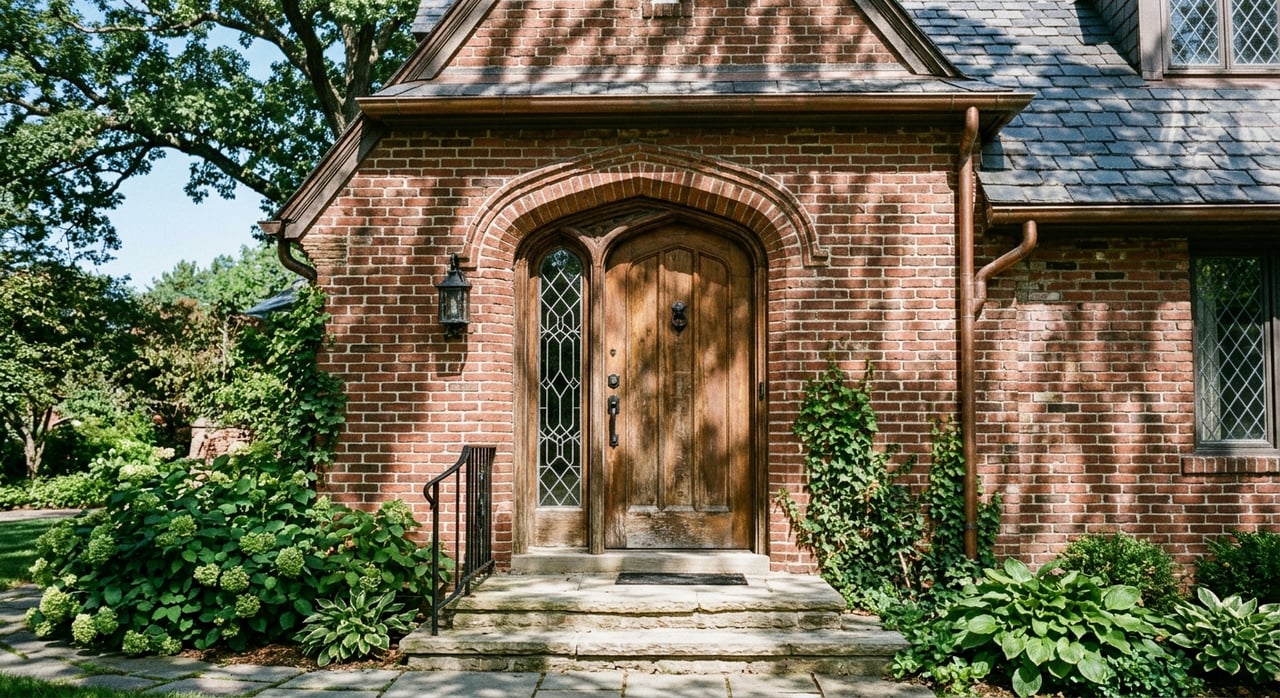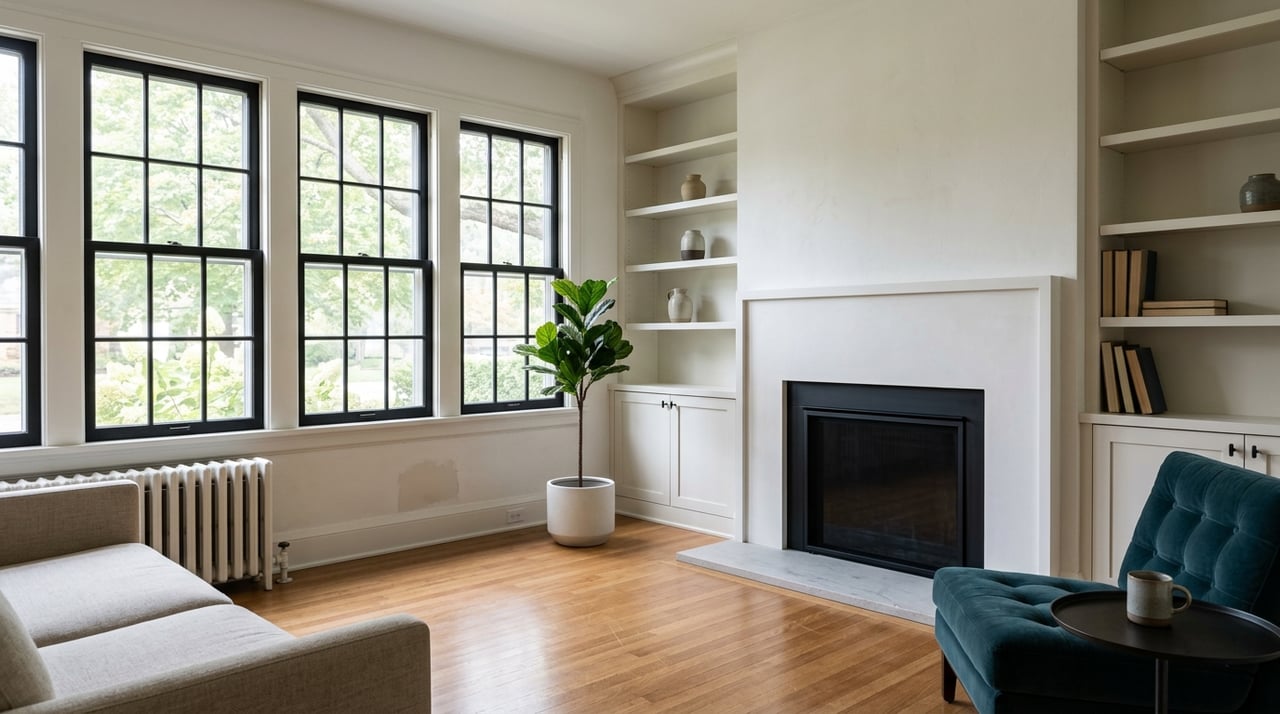
Dreaming about a charming older home in Southwest Minneapolis? You are not alone. In 55409, many buyers are drawn to tree-lined streets, distinctive architecture, and the kind of character that newer homes rarely match. The key is knowing how to look past the charm and evaluate the systems, maintenance needs, and update costs that often come with a pre-war property. Let’s dive in.
Why older homes stand out in 55409
Southwest Minneapolis, especially in and around 55409, is an established residential area with a strong owner-occupied base and a housing stock that often reflects early 20th-century design. Census data shows 5,641 housing units in the ZIP code, with 66% owner occupancy, 60% single-unit structures, and a median owner-occupied value of $378,600.
That local housing mix helps explain why so many homes here have lasting architectural appeal. In nearby Lynnhurst, homes were largely built between 1893 and 1937, with styles that include Colonial Revival, Classical Revival, Tudor Revival, and Prairie School. Across Minnesota, bungalows were also especially common from about 1910 into the early 1920s.
For you as a buyer, that usually means an older home in Southwest Minneapolis is likely to be a pre-war house with personality, solid craftsmanship, and a longer list of systems to review carefully.
What “older home” really means
When you buy an older home here, you are often buying more than square footage. You are buying original millwork, distinctive rooflines, mature landscaping, and a floor plan shaped by another era. That can be a huge part of the appeal.
It also means the home may have aging insulation, older electrical service, legacy plumbing materials, or basement moisture issues that are common in houses of this age. A beautiful showing can still come with expensive follow-up, so it helps to walk in with clear expectations.
Check the big systems first
Character matters, but systems are what protect your budget. Before you fall in love with finishes and fixtures, focus on the parts of the home that are hardest and most expensive to update.
Roof, attic, and insulation
Many older homes have little or no attic insulation. The U.S. Department of Energy recommends a home energy assessment as a first step because it can help prioritize comfort and efficiency improvements.
The same guidance suggests that adding blown insulation to an existing attic can improve thermal performance when it is done after air sealing. If the home feels drafty or has uneven temperatures from room to room, that can be a clue that the attic and envelope need attention.
Windows deserve a closer look too, but not always a full replacement plan. If existing windows are in good condition, improvements like caulk, weatherstripping, storm windows, or window coverings may be more cost-effective than replacing them outright.
Electrical service and wiring
Electrical updates are one of the most important items to review in an older Minneapolis home. According to DOE guidance, 100-amp panels are common in many older homes, while 150- or 200-amp panels are more typical in newer homes or larger updated properties.
You will also want to watch for older wiring. Knob-and-tube wiring can be a fire hazard, especially if insulation work is planned in the walls. In practical terms, it helps to look for signs of panel upgrades, modern breakers, and recent work by a licensed electrician.
Plumbing and water lines
Water quality and service-line status deserve extra attention in older homes. The City of Minneapolis says homeowners can use its lead service line map to identify whether a service line is lead, non-lead, or unknown, and the City notes that property owners own the water service line.
The Minnesota Department of Health warns that homes built before 1940 may have lead service lines, and plumbing systems built before 1986 may contain lead parts. Minneapolis also offers a free lead test kit for water testing, which makes this an easy item to check before or soon after closing.
Foundation and basement moisture
Older homes in Minnesota can have wet basements, shaky foundations, and roof-related wear. The Minnesota Attorney General’s Home Buyer’s Handbook specifically notes these as common issues in older properties.
In Southwest Minneapolis, basement moisture is especially important to evaluate with the rest of the home’s drainage picture. A basement can look tidy during a showing but still have a history of seasonal water intrusion, so this is one area where inspection details matter.
Know the hidden risks
Some of the most important issues in an older home are not obvious during a casual tour. They may sit behind walls, under paint, or inside materials that look perfectly normal.
Lead-based paint
If the home was built before 1978, the Minnesota Department of Health says you should assume it contains some lead. The agency estimates that around 90% of homes built before 1940 and at least 66% of homes built from 1940 to 1960 contain lead-based paint.
Lead paint is usually not a problem when it is intact. The risk increases when surfaces are peeling, chipping, cracking, or disturbed during renovation, because that can create hazardous dust.
Asbestos concerns
Asbestos can also show up in older homes, and it is not something most homeowners can identify by sight. Minnesota guidance notes that suspected asbestos-containing materials should generally be left alone until a trained professional evaluates them.
That matters if you are planning updates right after closing. Even a straightforward remodel can become more complex if certain materials need special handling.
How to use the inspection wisely
With an older home, the inspection report is not a pass-fail test. It is a planning tool. The Minnesota Attorney General says a home inspection should identify major plumbing, heating, electrical, structural, safety, and environmental problems, and both minor and major items can become part of a price negotiation.
If you have an inspection contingency and the home does not pass your independent inspection, the handbook says you may be able to cancel the purchase agreement or renegotiate repairs. That makes the inspection period one of your most important decision points.
A smart way to read an older-home inspection is to sort findings into three buckets:
- Safety and health issues
- Major system replacements
- Ordinary maintenance or cosmetic wear
That approach keeps you from overreacting to a long report while still protecting yourself from expensive surprises. Older homes almost always produce longer inspection reports, but not every note carries the same weight.
The Minnesota Attorney General also advises hiring an inspector whose loyalty is to you and asking about training, experience, references, and how they define major problems. Since inspectors are not state-regulated, those questions matter.
Budget updates without over-improving
One of the biggest mistakes buyers make with older homes is spending in the wrong order. It is easy to focus on a dream kitchen or design upgrades before addressing comfort, durability, and basic systems.
DOE recommends starting with a home energy assessment and favors an envelope-first approach when a home needs multiple upgrades. In plain terms, that means air sealing, insulation, and similar efficiency improvements may deserve priority before expensive finish work.
This can be especially helpful in Southwest Minneapolis, where many homes have strong original character worth preserving. If the windows are in good condition, for example, improving them may be more cost-effective than full replacement.
For resale value, the practical lesson is also simple: smaller, useful improvements often make more sense than high-cost luxury projects. The goal is to make the home feel solid, comfortable, bright, and well cared for without pushing it beyond neighborhood expectations.
Plan for permits and review
If you are buying with renovation plans, make sure you budget not just for the work itself, but also for the process around it. The City of Minneapolis says building permits are required for remodeling projects, and plumbing permits are required for work such as replacing fixtures, water piping, or a water heater.
If the home is in the Lynnhurst Residential Historic District, all exterior changes require review by CPED Historic Preservation staff. That can affect timelines, design choices, and project costs.
For buyers, this is a practical reminder that older-home ownership often involves more coordination than newer construction. The right house can still be a great purchase, but your budget should leave room for permits, reviews, and the realities of older systems.
A smart mindset for buying older homes
The best older-home purchases usually happen when charm and planning go hand in hand. In Southwest Minneapolis, these homes can offer an incredible lifestyle, from architectural detail to established streetscapes and a strong sense of place.
The winning strategy is not to avoid older homes. It is to buy them with a clear understanding of likely system upgrades, possible health and safety considerations, and the cost of doing work the right way.
When you approach the process with that mindset, you can enjoy the character you love without losing sight of what the home needs next.
If you are thinking about buying in Southwest Minneapolis and want practical guidance on how a home’s character, condition, and location fit your goals, Elizabeth McKevitt Perez can help you find the lifestyle you want.
FAQs
What should you inspect first when buying an older home in Southwest Minneapolis?
- Start with the major systems: roof, attic insulation, electrical service, plumbing, water service line status, foundation condition, drainage, and basement moisture.
Are lead service lines a concern in older Minneapolis homes?
- They can be. Minneapolis says homeowners can check the City’s lead service line map, and the Minnesota Department of Health warns that homes built before 1940 may have lead service lines.
Is lead-based paint common in older homes in 55409?
- Yes. The Minnesota Department of Health says you should assume pre-1978 homes contain some lead, and it estimates very high rates in homes built before 1940.
Should you replace old windows in a Southwest Minneapolis older home?
- Not always. DOE guidance says if existing windows are in good condition, improvements like caulk, weatherstripping, storm windows, or coverings may be more cost-effective than full replacement.
Can inspection findings help you negotiate on an older home in Minnesota?
- Yes. The Minnesota Attorney General says inspection findings can be used to renegotiate repairs or price, and if you have an inspection contingency, you may be able to cancel if the home does not pass your independent inspection.
Do older-home renovations in Minneapolis require permits?
- Often, yes. The City of Minneapolis says building permits are required for remodeling projects, and certain plumbing work also requires permits. Exterior changes in the Lynnhurst Residential Historic District require historic preservation review.