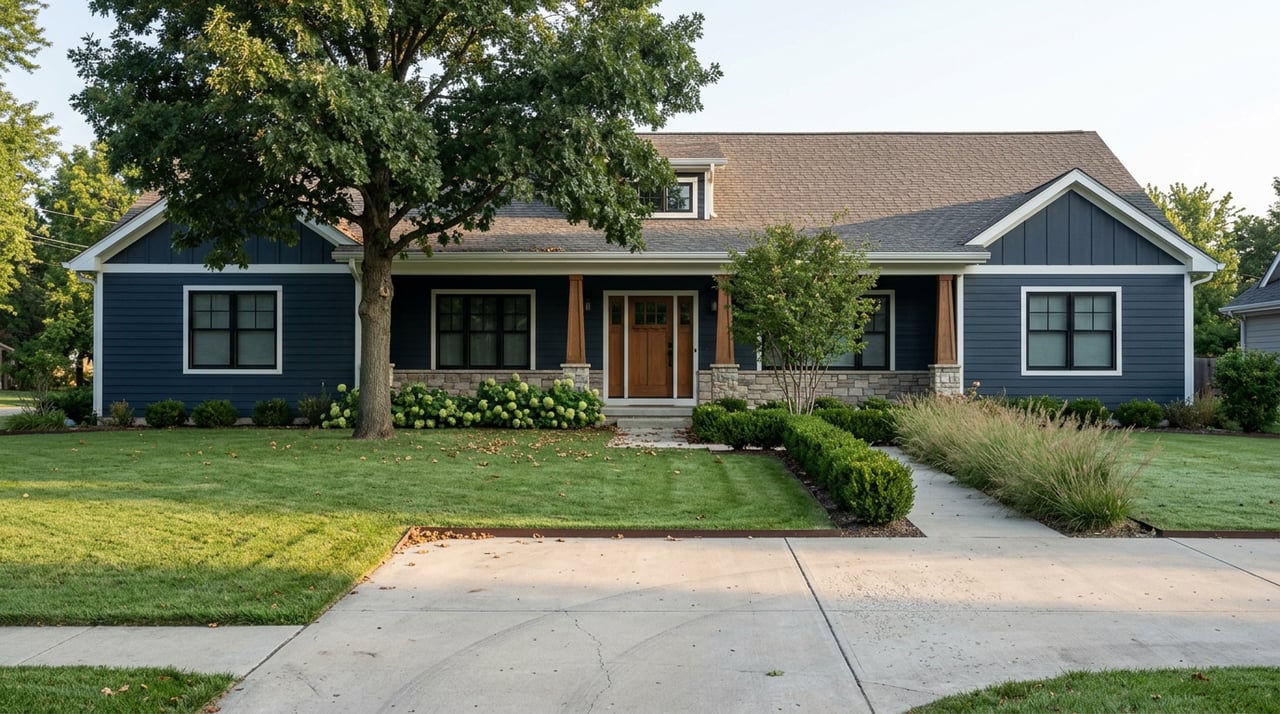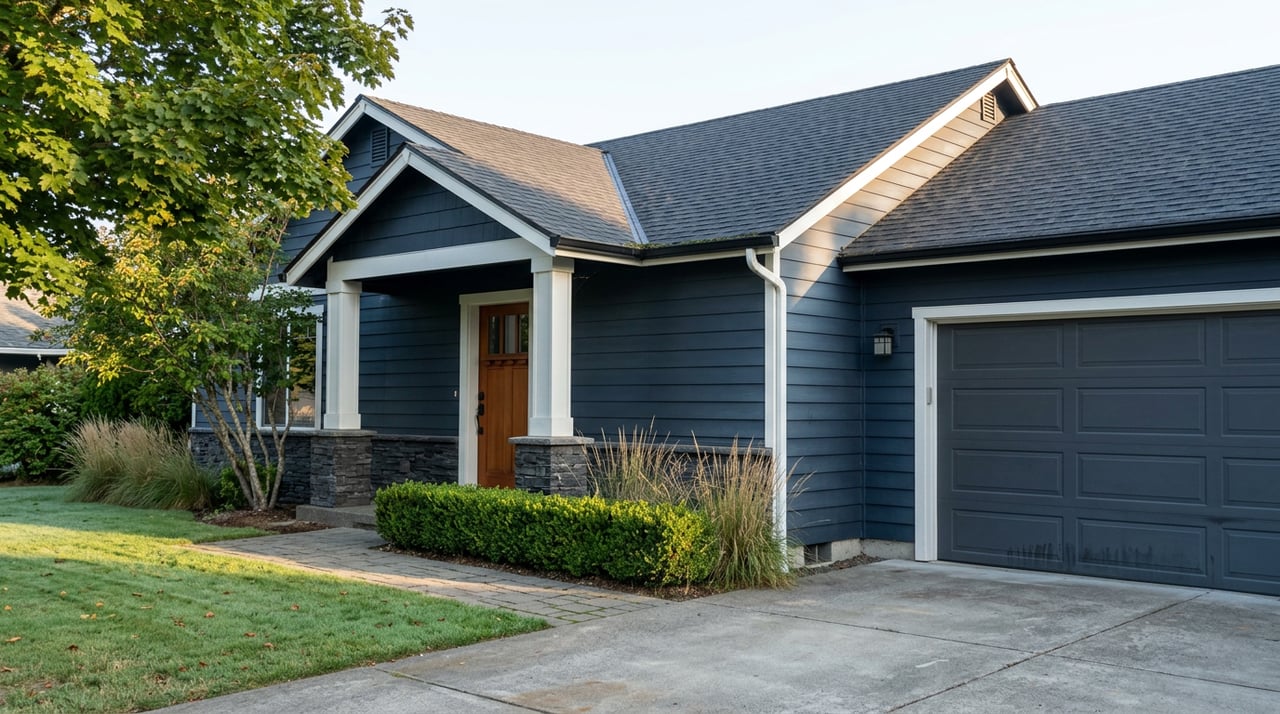
If you have sold a home in Edina, Minnetonka, or Plymouth, you already have a mental model for how inspections work: you accept an offer, the buyer hires their own inspector, and whatever they find becomes a negotiation. That model does not survive a move across the border into St. Louis Park. Here, a city inspector has to walk through your house and sign off on it before your listing agent is allowed to put a sign in the yard.
This is not a paperwork detail buried in the closing packet. It is a sequencing difference, and sequencing is the thing that catches sellers off guard, because it changes when the clock starts. St. Louis Park's property maintenance inspection, commonly called a point-of-sale inspection, has to happen before the property goes on the market, not after a buyer is under contract. For a seller used to suburbs where no such requirement exists at all, or used to Minneapolis, where the inspection is at least handled by a private evaluator of the seller's choosing, the St. Louis Park version is a different animal entirely: a city employee, at your address, checking your house against a maintenance code before anyone has made an offer on it.
The inspection comes first, and a city inspector does it
The mechanics are straightforward once you know them. A seller applies for a property maintenance inspection permit, schedules an appointment (usually available within one to three days), and a city inspector spends roughly 45 to 60 minutes checking the siding, roof, garage, and interior against St. Louis Park's property maintenance code. If nothing is flagged, the city issues a property maintenance certificate, valid for one year on single-family homes, townhomes, and duplexes, and two years on condominiums. That certificate has to be presented to the buyer and the title company at closing. No certificate, no clean closing.
The inspector is not hunting for anything unusual. Past correction notices have flagged things like interior doors that swing out over a stairway, first-floor windows without working locks, windows painted or stuck shut, and wiring added without a permit. None of this is exotic. Most of it is the kind of thing a homeowner walks past every day without noticing, because it was there when they moved in.
This is also where the comparison to a private inspection matters most. The point-of-sale inspection is not a substitute for the inspection a buyer will still hire on their own. It is narrow by design, focused on code compliance rather than the full condition of the house. A buyer's private inspector still checks things the city inspector has no reason to flag, because they are not code violations even when they are real concerns. It simply means the city's inspection and the buyer's inspection are answering two different questions, and a seller who treats the point-of-sale certificate as a clean bill of health is misreading what it actually covers.
A short list of cities, and St. Louis Park is on it
St. Louis Park is not alone in requiring this, but it is also far from universal across the metro. Minneapolis and St. Paul both require some version of it, along with Bloomington, Robbinsdale, Maplewood, Crystal, New Hope, and Richfield. Several western suburbs that McKevitt Perez also serves do not require anything like it at all.
| City | Pre-listing inspection required before you can list? | Who performs it |
|---|---|---|
| St. Louis Park | Yes | City inspector |
| Minneapolis | Yes | Private licensed evaluator |
| Edina | No | Not applicable |
| Minnetonka | No | Not applicable |
| Plymouth | No | Not applicable |
| Eden Prairie | No | Not applicable |
That gap explains why the timing surprises so many sellers. Someone moving a listing from Edina to St. Louis Park, or selling a St. Louis Park home for the first time after years in a suburb with no equivalent rule, does not have a reason to expect a city inspector at the door before the for-sale sign goes up. In a market where homes are averaging around 15 days from list to pending, a mismatch between when a seller expects to list and when the city clears them to list is not a small thing to get wrong.
Why the postwar boom still shows up on inspection day
St. Louis Park's housing stock has a specific shape, and it explains a good share of what inspectors find. Around 60 percent of the city's homes were built in a single burst between the late 1940s and early 1950s, part of the postwar building boom that also gave the city its ramblers, its 1.5-story bungalows, and neighborhoods like Aquila and the area around Texa-Tonka. That density of construction in one narrow window means a lot of houses share the same bones and, often, the same aging systems.
It also means a lot of these homes have been added onto since. Ramblers from this era get expanded routinely, because their simple rooflines make additions relatively easy and their original layouts, built for a smaller postwar family, tend to feel tight by modern standards. Local renovation stories out of St. Louis Park describe architects reworking these same ramblers decade after decade, pulling in more light, opening up floor plans, converting attached garages into living space. Each of those projects should have gone through the city's permitting process. Not every one of them did, particularly the older ones, and that is exactly the kind of gap a point-of-sale inspection is positioned to catch. The city's ePermits system keeps permit history searchable back to roughly 1990, which gives both sellers and buyers a way to check a property's paper trail before the inspector ever shows up.
What happens when the inspector finds something
A correction notice is not the end of the process, but it does add steps. In most cases, the required fixes only need to meet the code that was in place when that part of the house was originally built, unless a section was remodeled later, in which case the current code applies to that section specifically. Once repairs are done, the inspector comes back to verify the work, and only then is the certificate issued.
Sellers are not always the ones who complete the corrections. St. Louis Park allows a buyer to accept a temporary property maintenance certificate instead, through a signed escrow agreement. The buyer agrees to finish the required work within 90 days of closing, both parties use the city's own agreement form, and there is a $155 fee attached to it. The agreement has to be finalized at least 48 hours before closing, a city representative has to sign off on it, and any open permits on the property have to be closed before the escrow agreement can be approved. Enough money has to sit in escrow to cover the outlined repairs. It is a workable path, but it is one more thing that has to be lined up in the days before closing, not discovered the week of.
Timing it against a fast market
None of this happens in a vacuum. Over the three months ending in May 2026, the median sale price in St. Louis Park sat around $410,000, up 2.6 percent from the same period a year earlier, with the median price per square foot at $250, up 6.4 percent. Homes were averaging about 15 days from list to pending, down from 17 days the year before, even as the number of homes sold in May dropped to 200 from 225 the prior year. That is a market where fewer homes are trading, but the ones that do move, move fast.
A pre-listing inspection that adds a scheduling window, and potentially a correction period, is worth building into the calendar rather than discovering after the photographer has already been booked. Sellers who schedule the property maintenance inspection several weeks ahead of their target list date give themselves room to fix small items quietly, rather than negotiating them under pressure once a buyer's own inspection report is on the table too.
A few questions we hear often
Does the city inspection replace the inspection my buyer will do anyway? No. The point-of-sale inspection checks code compliance on a narrow set of items. A buyer's private inspector will still spend hours looking at systems and conditions the city inspection was never designed to catch.
I'm buying in St. Louis Park, not selling. Does this affect me? It can. If you are buying a home where the seller's inspection turned up violations, you may be asked to sign the escrow agreement and take on the repairs yourself within 90 days of closing, in exchange for a temporary certificate at closing.
My last home was in a suburb with no inspection requirement at all. What should I actually do differently? Schedule the St. Louis Park inspection as one of your first steps after deciding to sell, not as a task that happens once your agent has already photographed the house. It has to be complete before the home can be listed, and any repairs it turns up need time you will not have if you are already counting down to a list date.
If you are weighing a sale in St. Louis Park, or comparing it against a move to a suburb that handles this differently, McKevitt Perez Real Estate can walk you through the timeline before it becomes a problem. Find the lifestyle you want, and let us handle the parts of the process that are easy to miss.