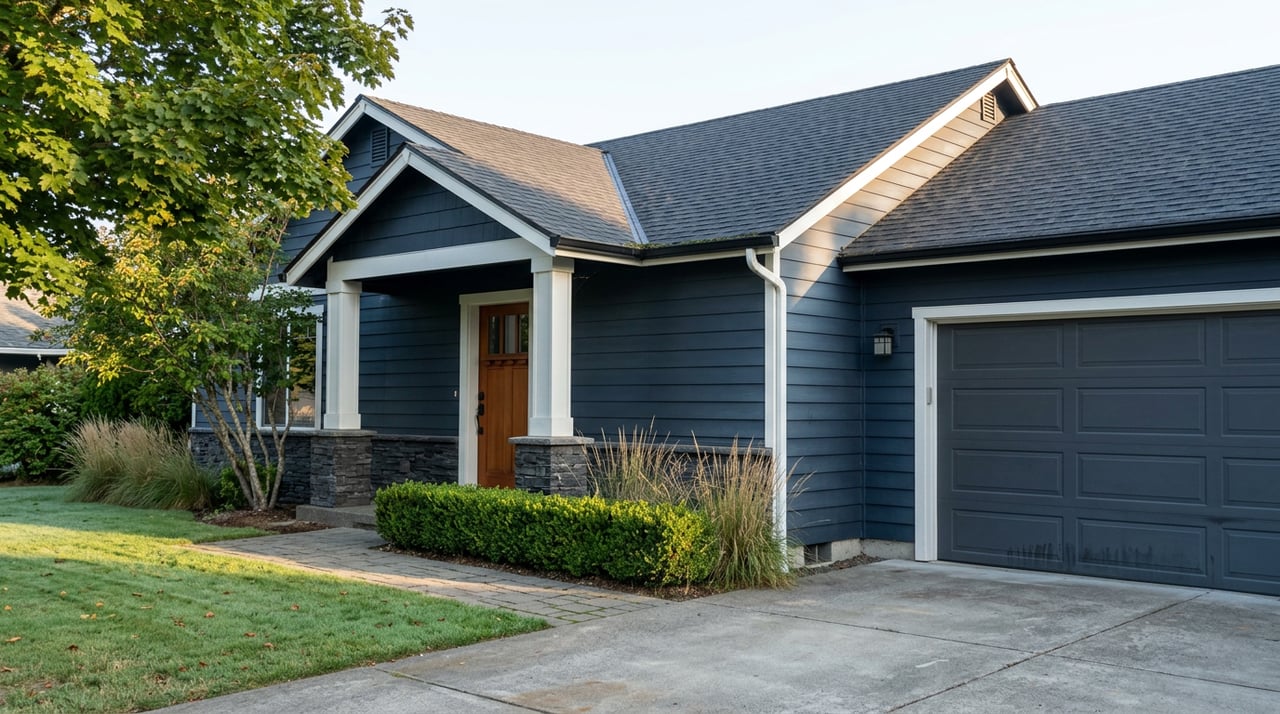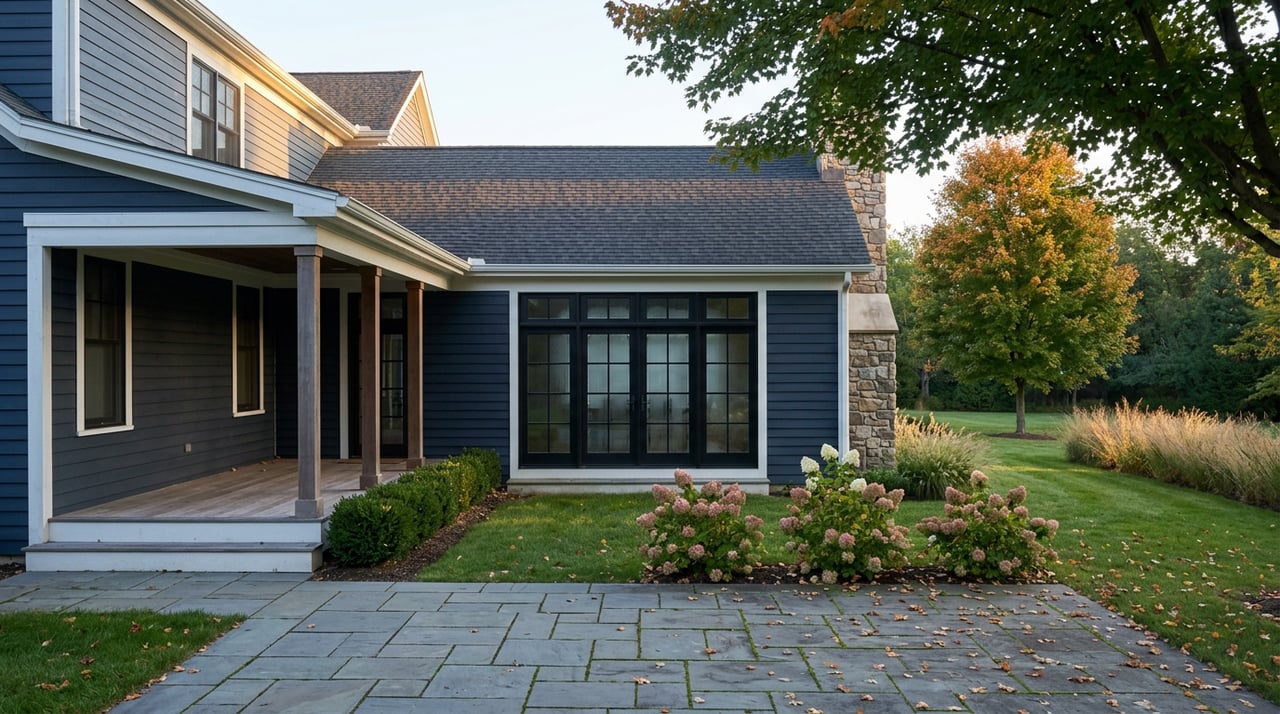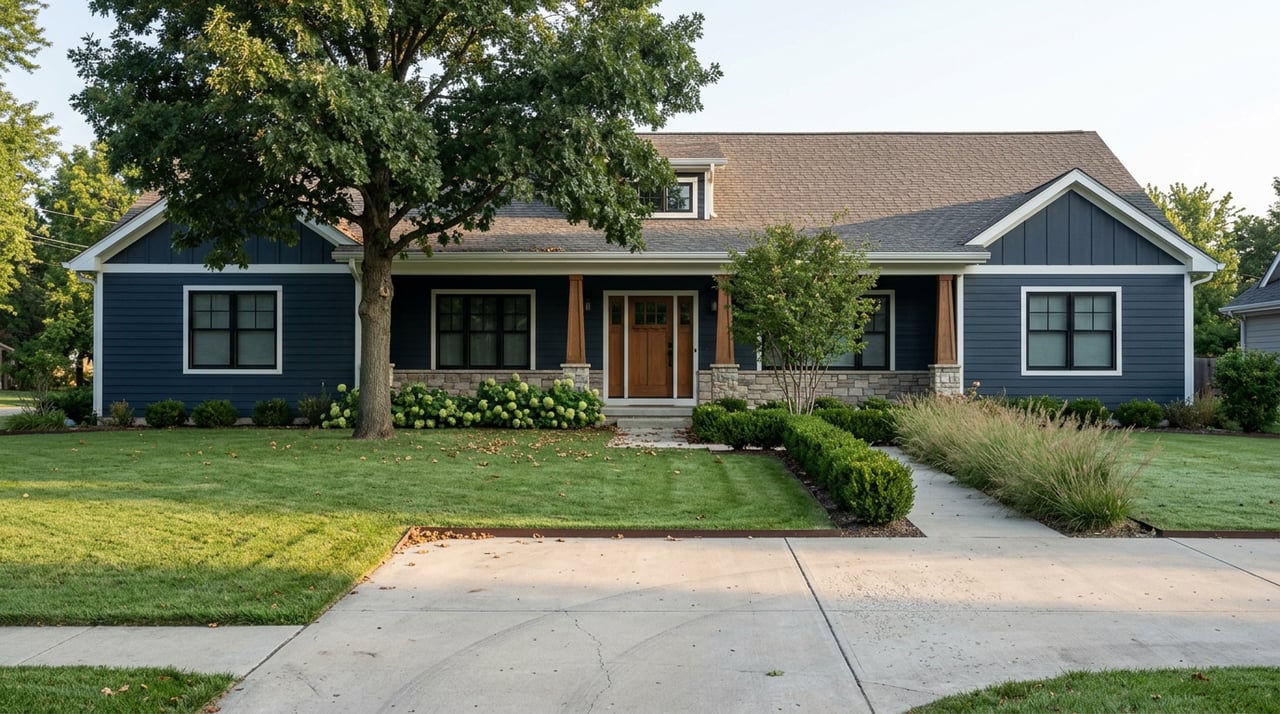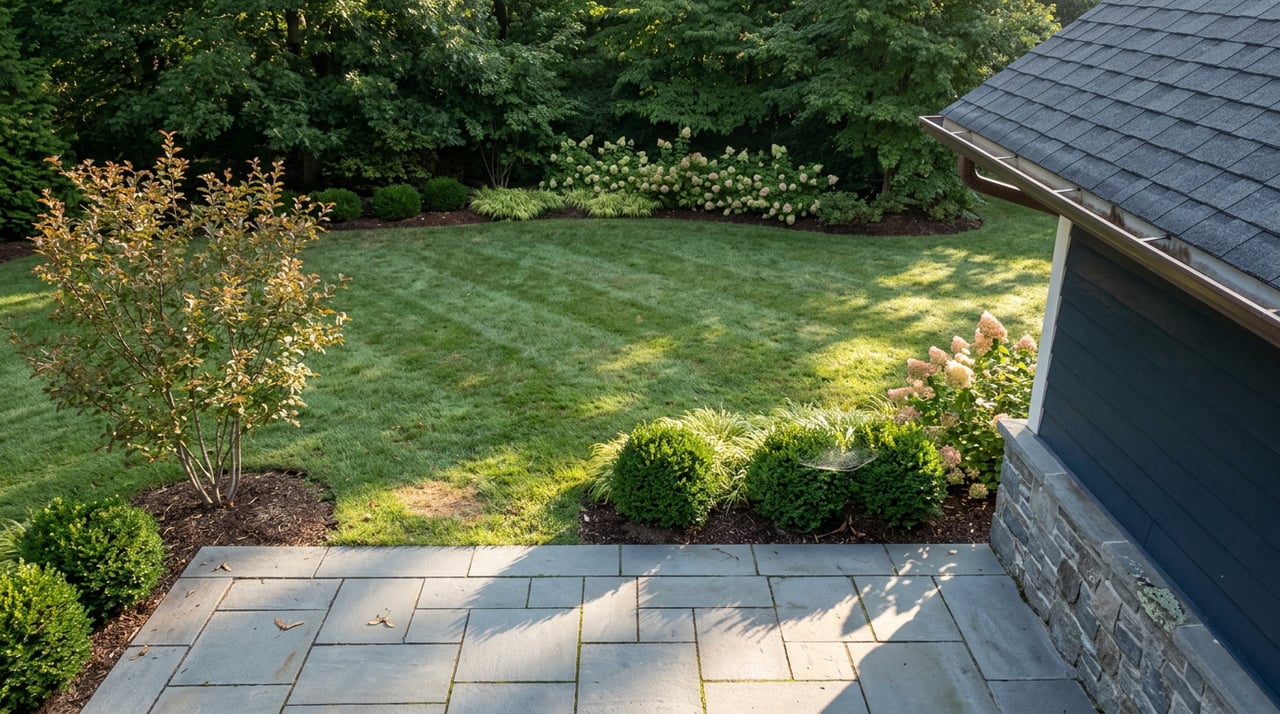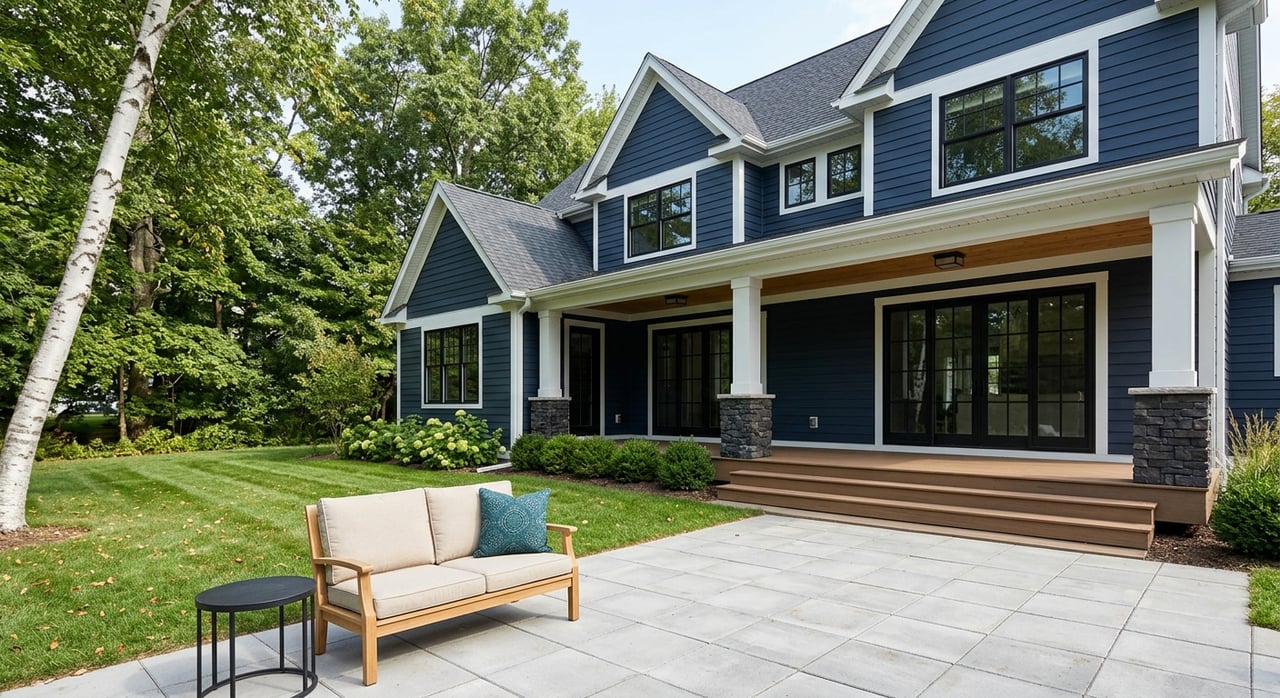
Thinking about buying a brand-new home in Plymouth? It can be exciting to picture fresh finishes, modern layouts, and less day-to-day maintenance, but newer construction here is not one-size-fits-all. In Plymouth, the biggest differences often come down to the neighborhood, lot type, HOA setup, school assignment, and commute access. If you want to buy with confidence and choose a home that fits your lifestyle, this guide will help you know what to look for. Let’s dive in.
Newer construction in Plymouth varies more than many buyers expect
One of the biggest mistakes buyers make is assuming all new construction in Plymouth offers the same experience. It does not. The city’s long-range land-use planning distinguishes between traditional single-family neighborhoods with larger lots and newer areas designed for smaller lots and more efficient land use.
That means two new homes at similar price points can feel very different in daily life. One may offer a classic suburban setting with more yard space, while another may trade lot size for a more streamlined, lower-upkeep setup.
What home types you may see
In current Plymouth new-construction communities, you may find a mix of product types rather than a single neighborhood style. Some developments include association-maintained villa lots alongside traditional single-family homes.
That range matters because it changes how you live in the home. A villa may appeal to you if you want less exterior upkeep, while a larger single-family plan may be a better fit if you want more space, more bedrooms, or a more traditional move-up-home feel.
Common floor plan features
Many newer homes in Plymouth include features buyers actively want right now, including:
- Open-concept kitchens with islands
- Walk-in pantries
- Main-level owner’s suites
- Flex rooms or home offices
- Sunrooms
- Mudrooms
- Finished lower levels
- Three-car garages in some plans
These features can support very different lifestyles. If you work from home, host often, or want easier single-level living, newer construction can offer options that are harder to find in older housing stock.
Lot size and neighborhood feel matter
When you buy new construction, the house is only part of the decision. The lot and neighborhood layout shape your day-to-day experience just as much.
Plymouth planning documents make it clear that newer neighborhoods may include smaller lots than the city’s more traditional single-family areas. In practical terms, that can mean less yard work, homes positioned closer together, and a more efficient site design.
If you want more outdoor space, privacy, or a classic subdivision feel, some outer-neighborhood new builds may suit you better. If you prefer lower maintenance and a more compact setup, a smaller-lot community or villa neighborhood may be a strong fit.
Do not rely on the neighborhood label alone
In Plymouth, the exact lot configuration, setbacks, and allowed housing type can vary by neighborhood and even by phase. Because the city reviews subdivision and redevelopment applications and updates its zoning ordinance annually, details can change from one section of a development to another.
That is why you should review the specific plat, site map, and survey for the home you are considering. A generic description of the neighborhood will not tell you everything you need to know about yard size, easements, or how the home sits on the lot.
HOA and villa living: know the tradeoffs
If you are drawn to newer construction because you want easier upkeep, pay close attention to whether the home is part of a common interest community, often called a CIC in Minnesota. Townhomes, condominiums, and many HOA communities fall into this category.
The appeal is easy to understand. CIC ownership can reduce responsibilities like snow removal or yard maintenance, which can be especially attractive if you want a simpler routine.
But there is a tradeoff. These communities also come with rules, fees, and possible limits related to appearance, animals, or parking.
What to confirm before you buy
If you are considering an association-maintained villa or another HOA-governed property, ask exactly what the dues cover. Those details can vary from one community to another.
Make sure you review items such as:
- Lawn care
- Snow removal
- Exterior maintenance
- Shared amenities, if any
- Reserve funding
- Regular dues
- Potential special assessments
In Minnesota, sellers in a CIC are also required to provide documents including the declaration, bylaws, rules, current budget, financial statement, and information about pending judgments or lawsuits. Buyers generally have a 10-day cancellation right after receiving those disclosures, unless that right is waived or the documents were already provided before signing.
School districts in Plymouth are address-specific
Plymouth is served by four public school districts, which surprises many buyers. According to the city, most of Plymouth is served by Wayzata Public Schools, but parts of the city are also served by Robbinsdale Area Schools, Osseo Area Schools, and Hopkins Public Schools.
The city’s published breakdown is 63.8% Wayzata, 20.6% Robbinsdale, 12.8% Osseo, and 2.8% Hopkins. That means school assignment is not something you should assume based on a Plymouth address alone.
Why verification matters in newer construction
Address-level confirmation is especially important in newer developments. Two homes in the same broader area may not always have the same attendance assignment, especially if district boundaries shift or a plat crosses district lines.
Wayzata Public Schools approved attendance-area adjustments for the 2025-26 school year, and the district has said the revised attendance areas are intended to remain in place for 3 to 5 years. If school logistics are part of your decision, verify the assignment by address before you fall in love with a specific home.
Commute access depends on where in Plymouth you buy
Plymouth offers strong regional access, but your commute experience will vary by neighborhood. City information notes that I-494 runs through Plymouth, Highway 55 crosses the city, Highway 169 borders the east side, and I-394 sits within about four miles of the city center.
That road network gives many buyers flexibility, but not every new-construction pocket will feel equally convenient for your routine. A home near Highway 55 or I-494 may offer a different daily flow than a home farther west.
Transit options to know about
Plymouth also offers public transit options through Plymouth Metrolink. Services include express commuter routes to downtown Minneapolis and the University of Minnesota, along with Click-and-Ride service within the city.
The city’s park-and-ride locations include Station 73 on Highway 55 and County Road 73, St. Philip Park and Ride, Northwest Greenway Pavilion, Plymouth Ice Center, and the former Four Seasons Mall site. Click-and-Ride operates seven days a week and connects to select destinations beyond Plymouth.
Match the location to the lifestyle you want
At McKevitt Perez Real Estate, we always come back to lifestyle first. New construction is not just about square footage or finishes. It is about how the location supports the way you want to live.
If you want a more walkable setting with future growth potential, Plymouth City Center is worth watching. The city defines it as roughly one mile west of I-494 on Highway 55 and is actively shaping it into a more pedestrian-friendly downtown. A 2023 zoning update allows apartment, townhome, or mixed-use residential in that area.
If you want more yard space and a more traditional suburban rhythm, outer-neighborhood new builds and villa communities may feel like a better match. The right answer depends on whether you prioritize convenience, lower maintenance, outdoor space, or a certain neighborhood feel.
How to evaluate builder quality and city approvals
A new home may look polished on the surface, but buyers should still do practical due diligence. In Plymouth, new one- and two-family homes require scaled plans, foundation and floor plans, elevations, an accurate survey, and energy-code documentation.
The city also states that plans must meet or exceed the Minnesota State Building Code. Once a complete application is submitted, plan review and permit issuance normally take 5 to 7 working days.
Smart questions to ask
City permitting does not automatically tell you which builder is best, but it does give you a useful framework for asking better questions. When you are evaluating a home, ask whether the project is properly permitted and whether the builder can show the approved plans and survey.
You should also ask whether the home has passed the relevant inspections. These are practical steps that can help you move beyond the model-home presentation and focus on the details that matter.
A simple checklist for buying newer construction in Plymouth
Before you move forward on a new build, make sure you can clearly answer these questions:
- What type of home is this: villa, townhome, condo, or single-family?
- How large is the lot, and what does the survey show?
- Is the home part of an HOA or CIC?
- What do the dues cover, and are there any special assessments?
- Which public school district serves this exact address?
- How will this location affect your daily commute?
- Does the setting match your lifestyle, whether that means walkability, lower maintenance, or more yard space?
- Has the home been properly permitted and inspected?
When you have those answers, you are in a much stronger position to compare communities and choose the right fit.
Buying newer construction in Plymouth can be a great move if you want modern design, flexible layouts, and in many cases a lower-maintenance lifestyle. The key is looking past the model home and understanding the neighborhood-specific details that shape daily life most: lot type, HOA obligations, school assignment, and commute access. If you want help sorting through those details and finding the right fit for how you actually want to live, connect with Elizabeth McKevitt Perez.
FAQs
What should buyers know about lot sizes in newer Plymouth construction?
- Newer construction in Plymouth can include both traditional larger-lot neighborhoods and newer areas with smaller lots, so you should review the specific plat, site map, and survey for the home you are considering.
What should buyers know about HOA fees in newer Plymouth communities?
- In many newer Plymouth communities, especially villa-style or other common interest community properties, dues may cover items like lawn care, snow removal, exterior maintenance, reserve funding, or amenities, but the exact coverage varies by community.
What should buyers know about school districts for new homes in Plymouth?
- Plymouth is served by four public school districts, so you should verify the school assignment by exact address rather than assuming all Plymouth homes feed into the same district.
What should buyers know about commuting from newer construction in Plymouth?
- Commute convenience depends on where the home sits relative to I-494, Highway 55, Highway 169, and nearby transit options like Plymouth Metrolink and local park-and-ride locations.
What should buyers ask a builder when buying a new home in Plymouth?
- Ask whether the home is properly permitted, whether the builder can provide the approved plans and survey, and whether the home has passed the relevant inspections required by the city.